Seasons · 2 min read
Kyoto in Summer
What to expect visiting Kyoto in June, July, and August: the Gion Matsuri festival, hot and humid weather, and long evenings for sightseeing.
By Todokyoto · Updated September 16, 2026
What to Expect
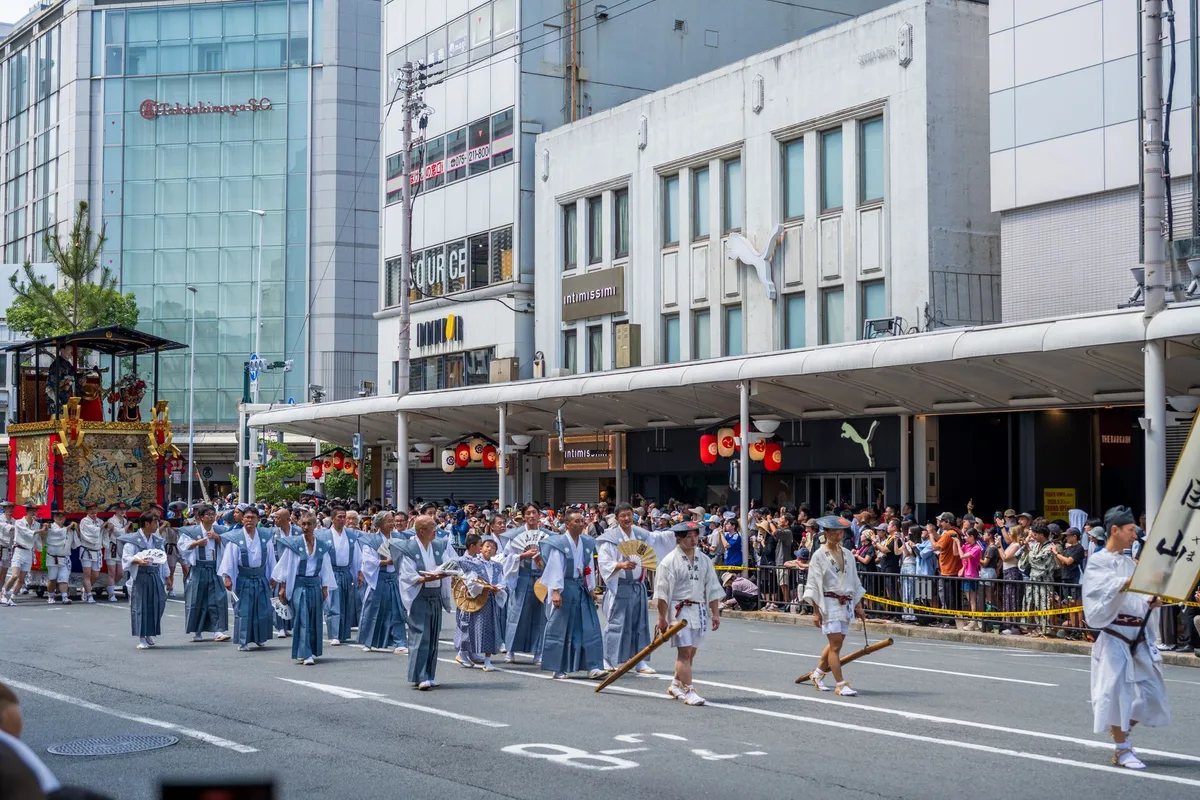
June opens with tsuyu, the rainy season, running to around mid-July. Pack a light rain jacket and expect humidity to build early, even on days without rain. July belongs to the Gion Matsuri, one of Japan's most famous festivals, with its yamaboko float processions on the 17th and 24th and weeks of build-up events throughout the month. By late July and August, the rainy season has broken into hot, humid days, regularly into the low-to-mid 30s°C, which rewards planning outdoor sightseeing for morning or evening and saving museums or covered markets for the hottest hours.
Booking Pressure and Crowds During Gion Matsuri
The days around the two main processions (roughly the 14th to 17th and the 21st to 24th) put real pressure on hotels in and around central Kyoto, and some travel-planning sources suggest booking rooms four to six months ahead for those specific windows. Pricing during the festival is commonly reported as running well above normal rates, though the exact multiplier varies by source and should be checked against live listings rather than taken as a fixed figure. If Kyoto itself is full, basing in Osaka and riding the JR line in for the day (around 30 minutes) is a workable fallback that several past visitors have used. Paid viewing from a traditional machiya window along the parade route is a real option during the main processions, typically in the low thousands of yen; bleacher seating along the route is sold in advance through the city.
Getting Around During the Festival
Central streets around Shijo and Karasuma close to traffic for the float processions and the preceding evening gatherings (yoiyama), so plan on walking rather than relying on buses or taxis to get close on those evenings. The subway to a nearby station and a walk in is the more reliable approach. Outside the festival dates and the immediate central blocks, transport runs normally through summer, aside from the usual heat making longer walks between sights harder than in spring or autumn.
What Gets Harder vs What Stays Fine
The blocks immediately around the float routes and yoiyama evening stalls are packed during festival week, and the heat makes queue-heavy attractions with little shade considerably more draining than at other times of year. Air-conditioned museums, covered markets like Nishiki, and temples with substantial garden shade hold up fine, and make a sensible way to structure the hottest parts of the day regardless of the festival.
Later in the Season
Mid-August brings Daimonji Gozan Okuribi, when giant bonfires are lit on the hillsides around the city to send off ancestral spirits at the close of Obon. They're best viewed from a riverside spot along the Kamo, away from the immediate hillside crowds. By then the rainy season has fully broken and the Gion Matsuri crowds have cleared, leaving hot, humid, but comparatively uncrowded sightseeing for the rest of August.