Seasons · 3 min read
Kyoto in Spring
What to expect visiting Kyoto in March, April, and May: cherry blossom season, mild weather, and the year's most crowded, most beautiful weeks.
By Todokyoto · Updated September 16, 2026
What to Expect
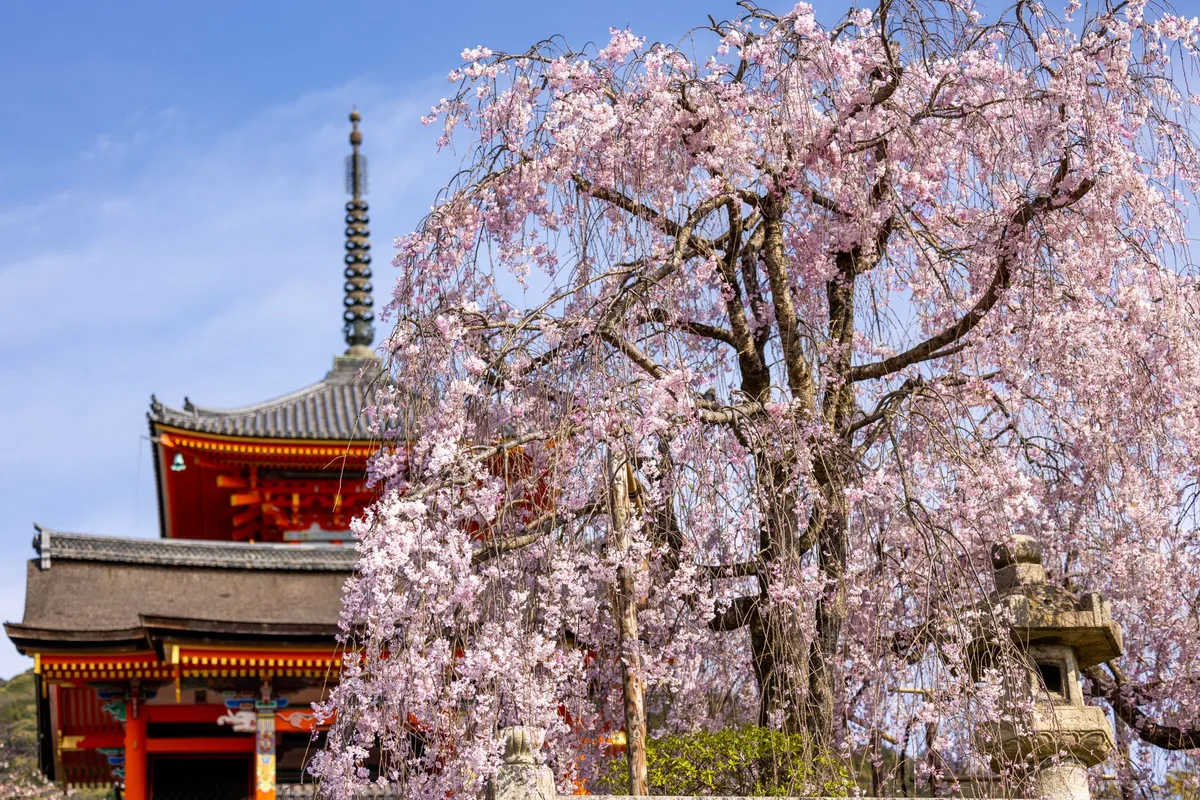
Late March into early April brings sakura (cherry blossom) season. The Philosopher's Path, Maruyama Park, and the banks of the Kamo River fill with blossom, and Gion's geiko and maiko perform the seasonal Miyako Odori (Cherry Dance). Bloom dates shift year to year by a week or more depending on winter and early-spring temperatures, so treat any specific date you read as a guess until closer to the time, and check a current forecast rather than booking around a fixed day months out. Temperatures are comfortable for walking, which is exactly why this is also the single most crowded, most expensive stretch of the year.
Booking Pressure
Kyoto consistently needs a longer accommodation lead time than Tokyo or Osaka for the same spring dates, and this is where that shows up most. Well-reviewed hotels in Gion, Higashiyama, and the downtown core routinely sell out months ahead of peak bloom, not weeks; some of the city's most established ryokan are booked out closer to a year in advance by repeat guests. If you're planning around the blossoms specifically, book a cancellable rate as early as you can and refine your dates once bloom forecasts firm up in February and March, rather than waiting for certainty before booking anything. Expect accommodation prices to climb well above off-season rates during the peak window. By how much varies by source and by exactly which week you land in, so compare live listings rather than anchoring to a single figure. Stays in the middle of the week are consistently easier to find and noticeably cheaper than the same hotel on a weekend during bloom.
Getting Around
The subway and the Keihan and Hankyu lines get very crowded at peak bloom, particularly around the stops serving Higashiyama, Arashiyama, and the Philosopher's Path. Expect to let a packed train or two go by rather than force your way on. Buses to the same areas sit in the worst of the season's traffic and fill standing-room-only with luggage; walking between nearby sights, or using rail plus a short walk, usually beats a bus that looks direct on a map but spends most of its time stopped.
What Gets Harder vs What Stays Fine
In the two or three peak weeks, the headline spots (the Philosopher's Path, Maruyama Park, the Kiyomizu-dera approach, the Arashiyama riverbank) are hard going: slow-moving crowds, long waits for food stalls, and little room to stop and look properly. Museums, most temples away from the famous blossom spots, and neighbourhood restaurants away from the main tourist streets carry on much as normal. If a destination matters to you specifically for its blossoms, go at opening time; if it doesn't, this is a good season to deliberately route around the crush rather than through it.
A Quieter Alternative
By late April the blossoms are gone and by May the crowds have thinned noticeably, leaving comparable mild, walkable weather without the booking pressure or the crowds. That's a reasonable trade for a visitor who wants the season's climate without its single most frantic weeks. Early May does overlap with Golden Week, Japan's own cluster of public holidays, which brings a separate, domestic surge in travel, so check the calendar before assuming all of May is quiet.