Kyoto Neighbourhoods
Seven neighbourhoods, from the teahouse streets of Gion to the river and hills of Arashiyama. Where you base yourself decides how much of the day goes on getting around.
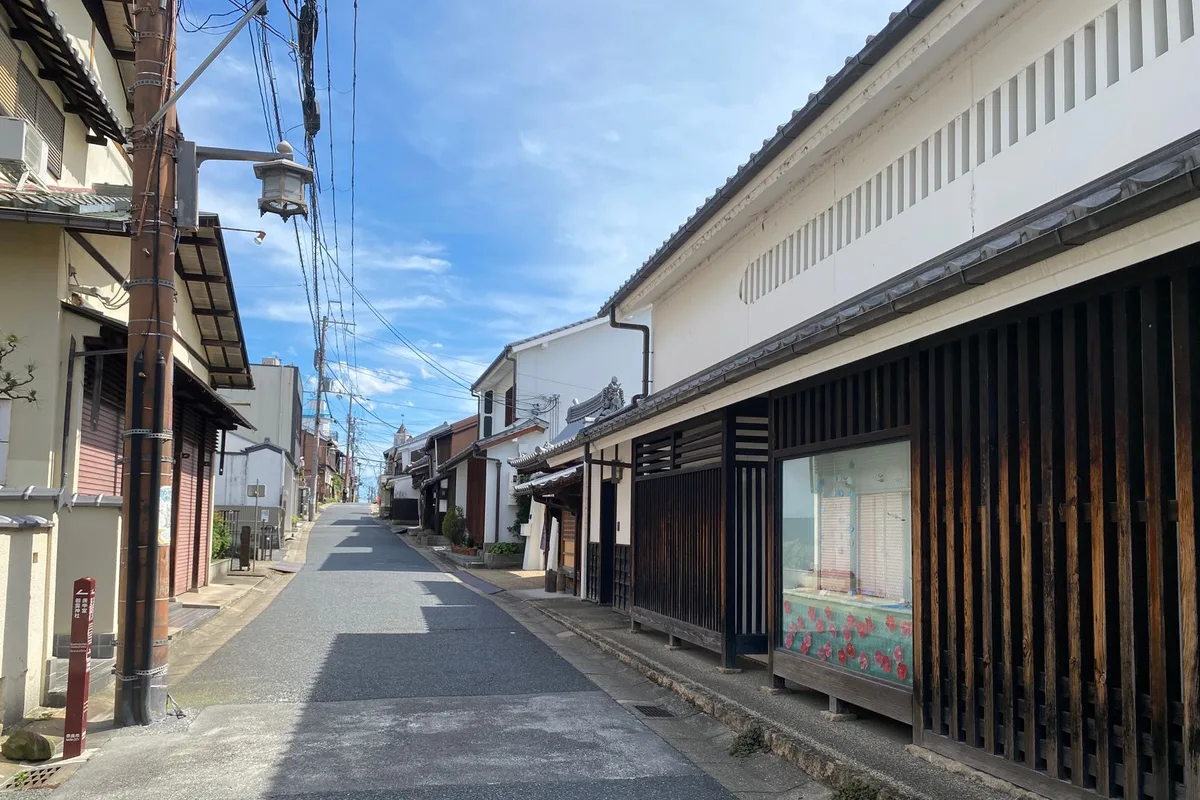
Historic, atmospheric, quietly formal
Gion
Kyoto's most famous geisha (geiko) district, with wooden machiya teahouses along Hanamikoji-dori, the willow-lined Shirakawa canal, and a real chance of seeing a maiko hurrying between appointments at dusk. Yasaka Shrine anchors its eastern edge.
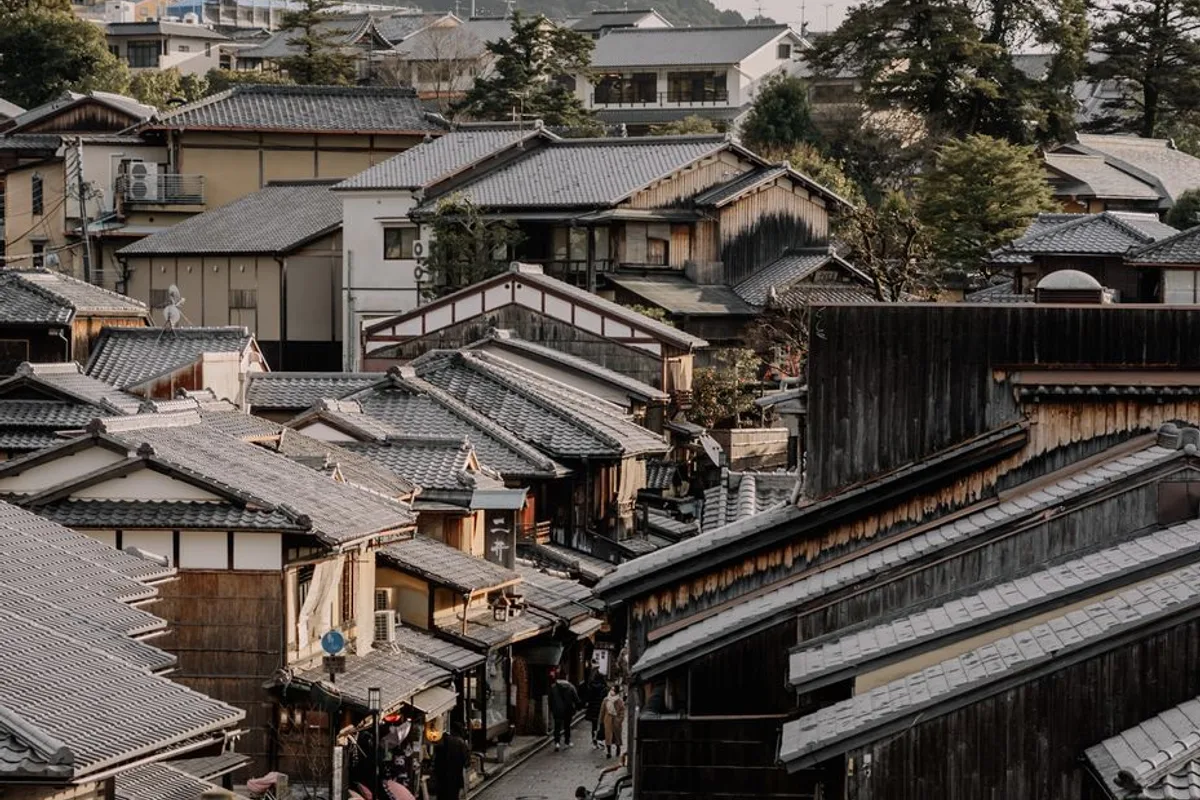
Traditional, hilly, temple-dense
Higashiyama
Kyoto's best-preserved historic quarter, climbing the eastern hills from Kiyomizu-dera through the Ninenzaka and Sannenzaka lanes' wooden shopfronts and tea houses toward Kodai-ji and Yasaka Shrine. Temple-dense, hilly, and best walked slowly.
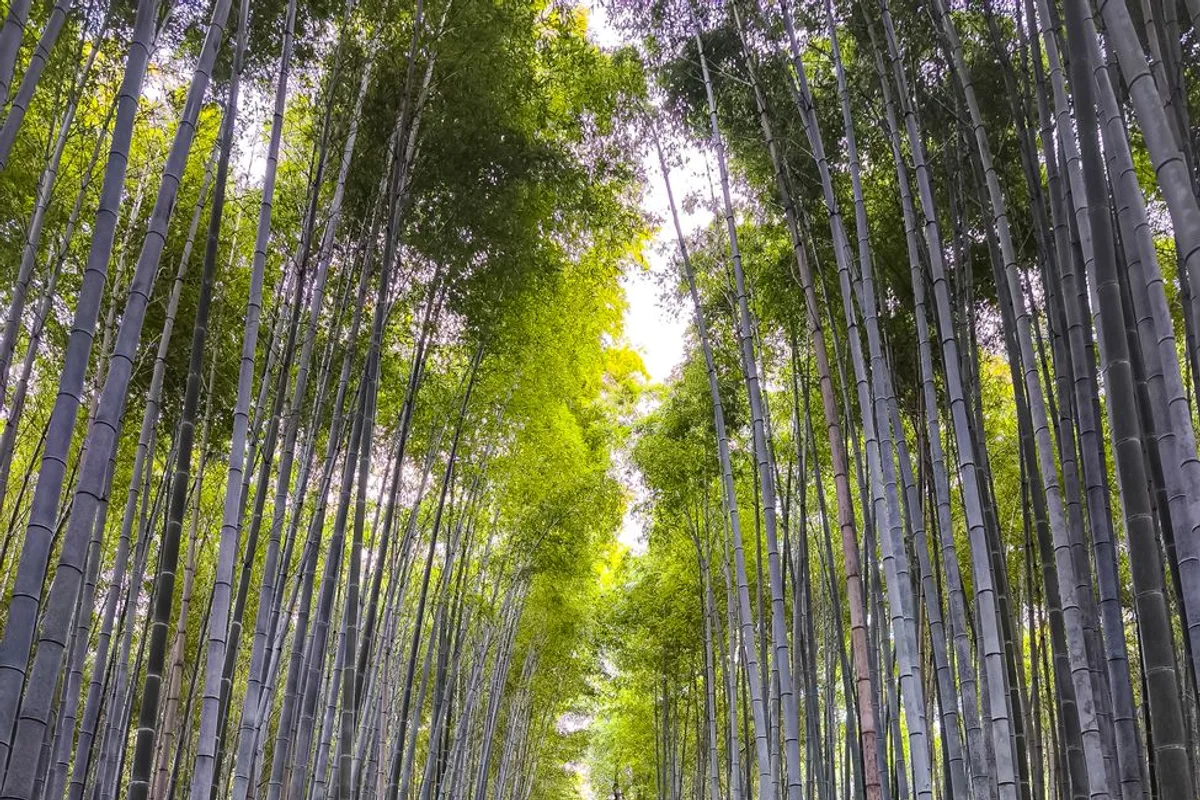
Scenic, tranquil, nature-forward
Arashiyama
Western Kyoto's riverside district, built around the bamboo grove and the Togetsukyo Bridge spanning the Katsura River against forested hills. Quieter temples, a monkey park, and rickshaw rides round out a full day trip in itself.
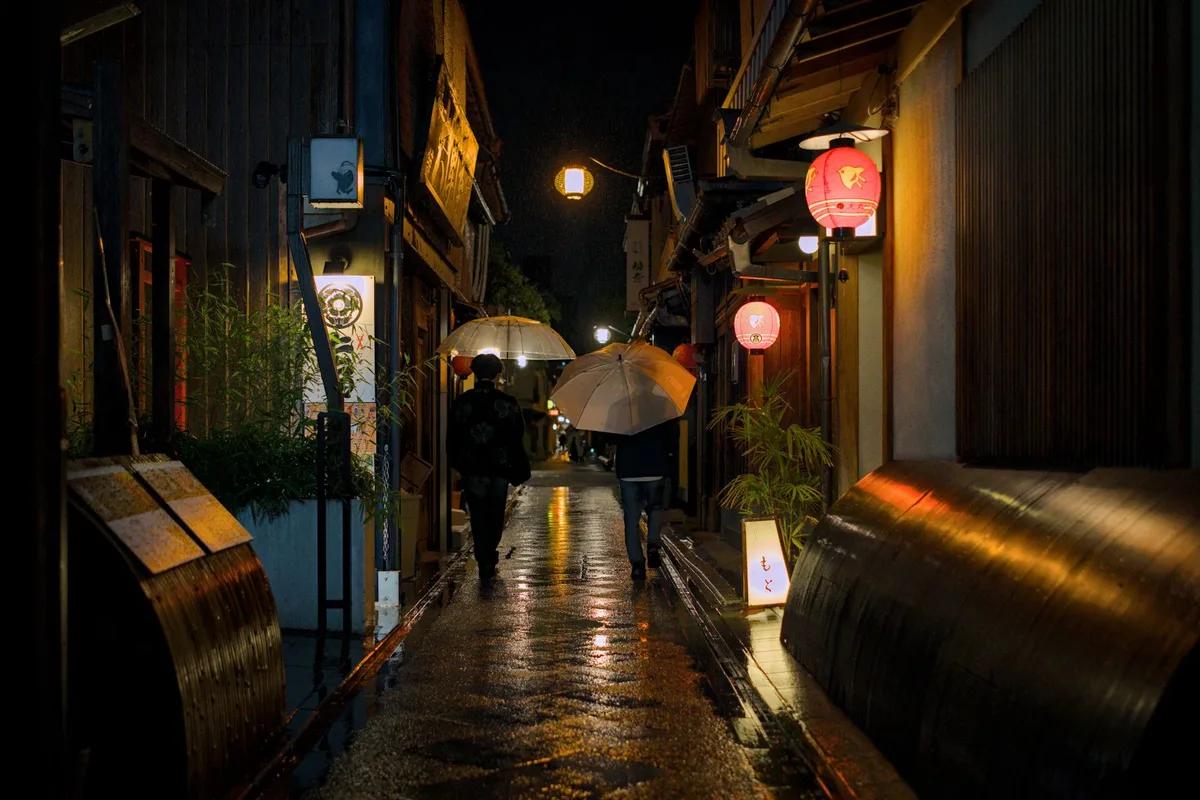
Atmospheric, narrow, nightlife-focused
Pontocho
A narrow, lantern-lit alley running parallel to the Kamo River between Shijo and Sanjo. It is Kyoto's second geisha district and one of its densest strips of kaiseki restaurants, izakaya, and riverside bars, some with summer kawadoko dining platforms over the water.
Spiritual, industrious, quiet after dusk
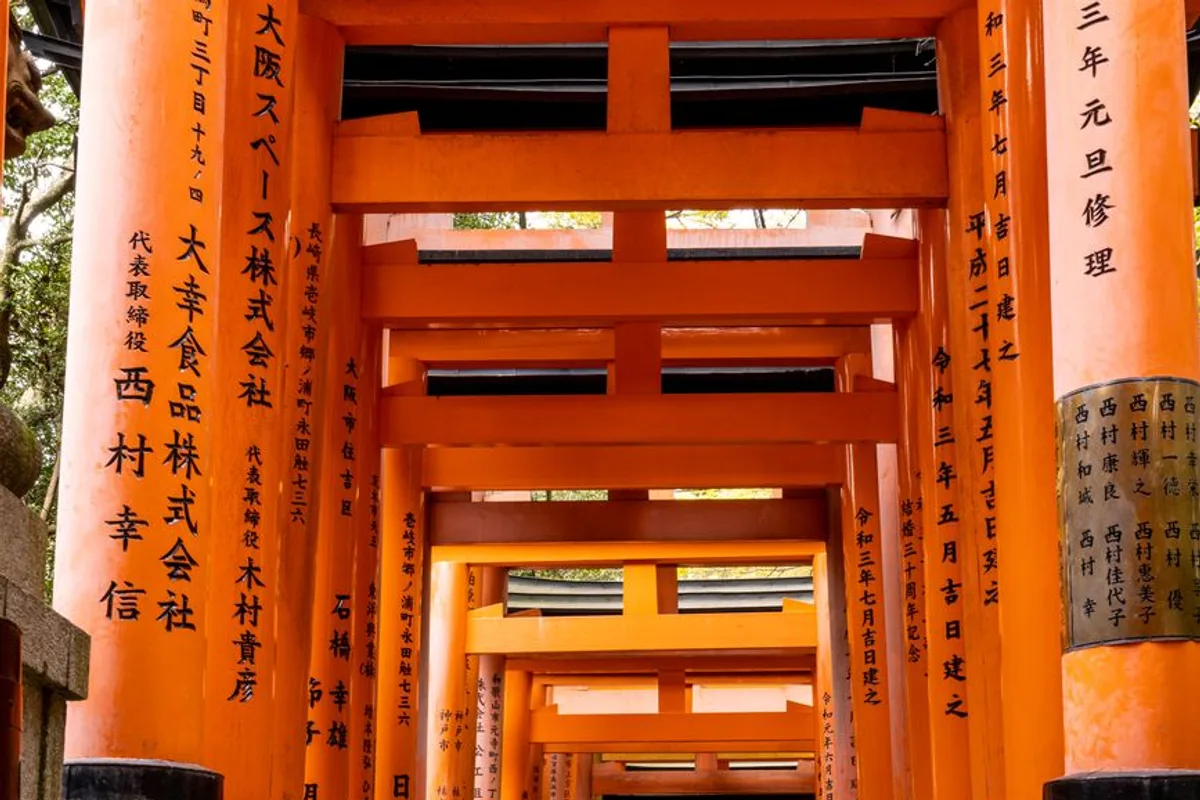
Fushimi
Home to Fushimi Inari Taisha and its thousands of vermilion torii gates climbing Mount Inari, plus a centuries-old sake-brewing district drawing on the area's soft underground water. Feels distinctly local once the shrine crowds thin out.
Central, commercial, convenient base
Downtown Kyoto
The Kawaramachi–Karasuma grid at the city's commercial centre: covered shopping arcades, Nishiki Market's 400-year-old food stalls, Nijo Castle, and the best transit access in the city. Less to look at than the temple districts, but the practical base for getting anywhere.
Quiet, leafy, classic Zen temples
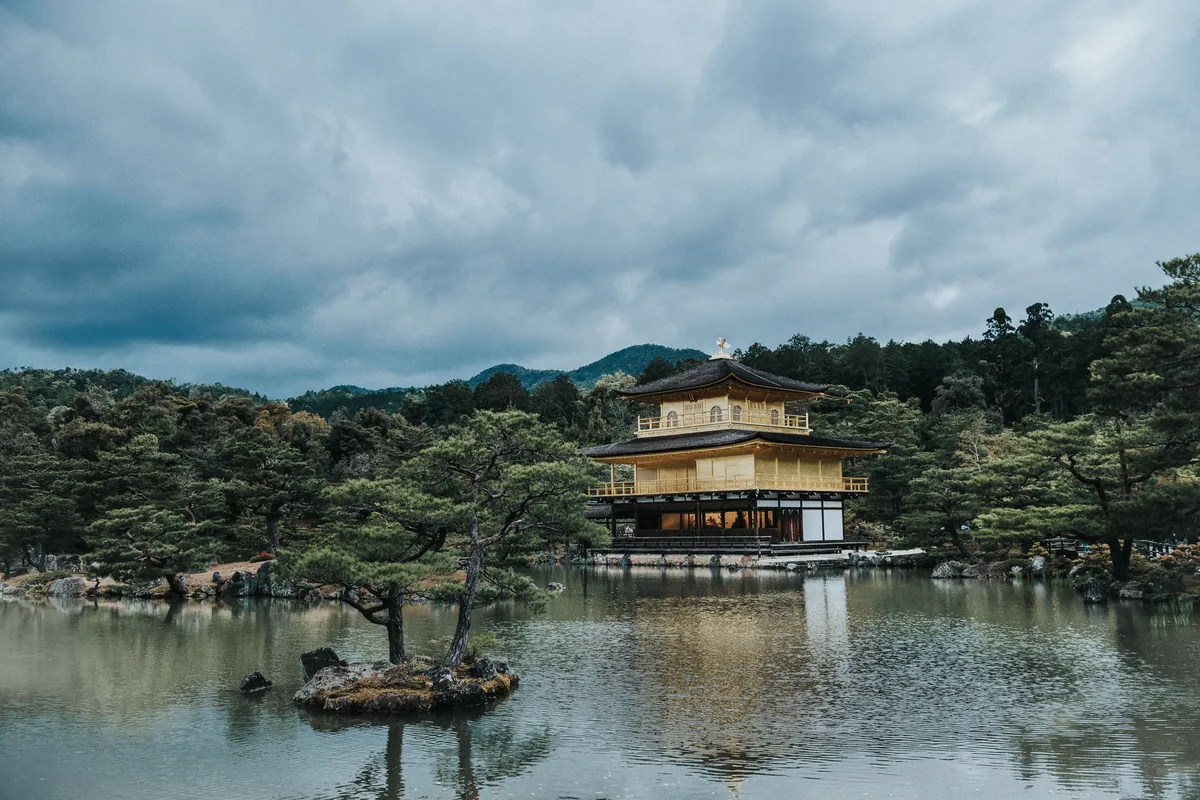
Kitayama
The quieter, leafier northwest, built around Kinkaku-ji (the Golden Pavilion) and the rock garden of Ryoan-ji. It's a classic Zen-temple circuit with noticeably thinner crowds than Higashiyama once you're a few streets off the main approach.