Neighbourhoods · 5 min read
Gion, Kyoto: How to Visit the Geisha District Respectfully
How to see Gion properly: Hanamikoji-dori, Yasaka Shrine, Kennin-ji, the 2024 private-alley rules, and how to spot geiko and maiko without bothering them.
By Todokyoto · Updated October 28, 2026
Gion is Kyoto's most famous geisha district, and also an easy place to visit badly: treating it as a photo backdrop rather than a neighbourhood where people live and work is the single most common mistake. The main street, Hanamikoji-dori, and Yasaka Shrine at its edge are open to everyone. What's changed, and what makes a visit actually work, is worth knowing before you go.
Getting There
Gion-Shijo Station, on the Keihan Main Line, is the standard rail approach: it puts you at the southern end of Hanamikoji-dori and a short walk from Yasaka Shrine. From the Kawaramachi/Shijo-Kawaramachi area on the opposite bank of the Kamo River, it's also an easy 10-minute walk across Shijo Bridge. Gion is compact enough that once you're there, everything worth seeing is within walking distance; see Getting Around Kyoto for connections from elsewhere in the city.
Hanamikoji-dori and the Teahouse Streets
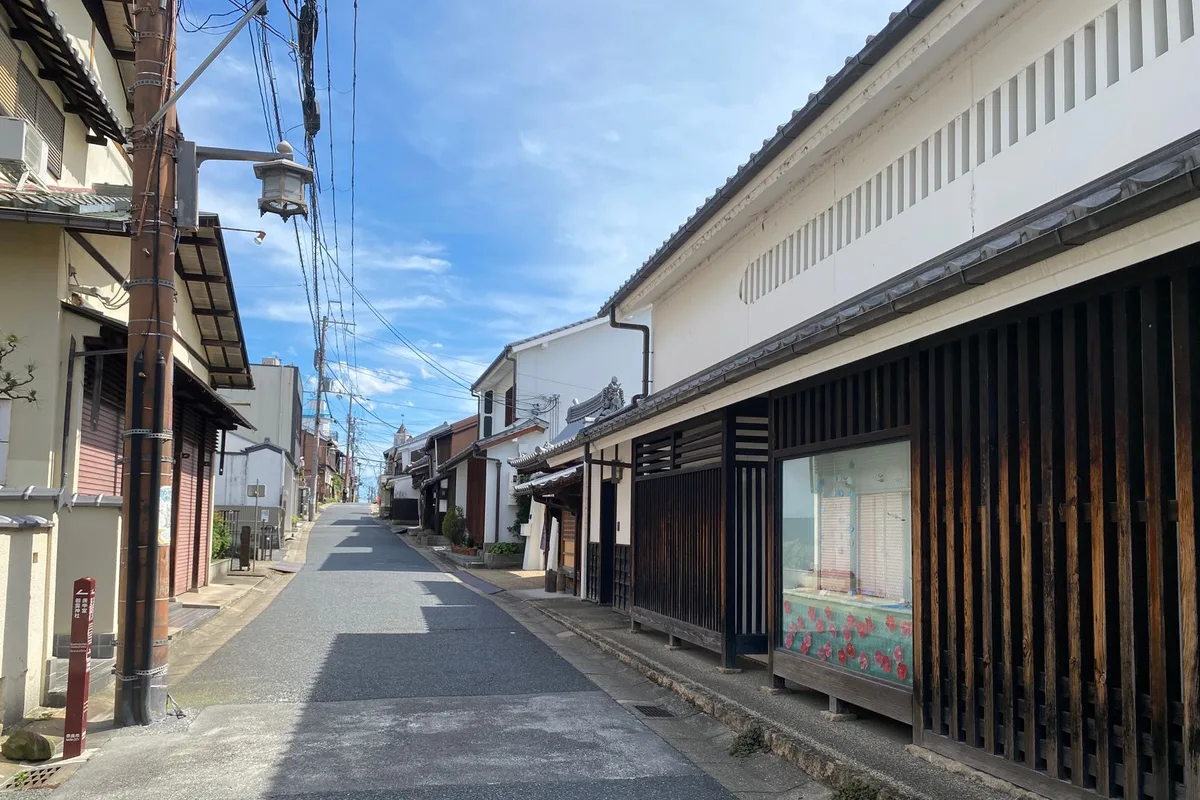
Hanamikoji-dori runs south from Shijo-dori, lined with wooden machiya teahouses, their dark lattice fronts largely unchanged for generations. It's a public street, free to walk at any hour, and the busiest stretch for both shops and foot traffic sits in its northern half, closer to Shijo. South of Shijo, Hanamikoji quiets down as it approaches Kennin-ji's grounds.
Seeing Geiko and Maiko, and the Alley Rules
Geiko is the Kyoto-dialect term locally preferred to "geisha" for a fully qualified performer of traditional music, dance, and conversation; maiko is an apprentice, typically identifiable by a more elaborate hairstyle and longer obi sash. Both are real working professionals moving between scheduled engagements, not performers posted for tourist photos.
That distinction matters because of what's changed here. In 2019, Gion's residents' associations banned photography on private alleys branching off Hanamikoji, warning of a fine of up to ¥10,000 for anyone caught shooting there. In 2024, a broader measure went further: signs went up barring tourists from entering those same private alleys at all, not just photographing them, still citing a ¥10,000 fine. Hanamikoji-dori itself, the main public street, was not affected and remains open; it's specifically the private side-alleys that are off-limits. Both measures were a direct response to years of tourists chasing geiko and maiko, blocking their path, and pressuring them for photos.
How strictly the fine is enforced isn't entirely clear: some reporting on the rule describes it as a deterrent backed by signage rather than something consistently issued in practice, but that uncertainty is not a reason to test it. The practical guidance either way: stay on public streets, and if you do see a geiko or maiko (most likely in the early evening, when appointments begin), don't block the street, don't use flash, don't follow them, and don't ask for a photo. A ticketed public dance performance is a fundamentally different thing from catching someone on their way to a private engagement: the first is something you're welcome to attend, the second isn't an opportunity, it's someone's commute.
Yasaka Shrine and Maruyama Park
Yasaka Shrine marks Gion's eastern edge, founded more than 1,350 years ago and the home shrine of the Gion Matsuri. The grounds are free and open 24 hours, and the lantern-lit approach is worth timing for after dark. The shrine leads directly into Maruyama Park, Kyoto's most popular cherry blossom spot, making the two an easy pairing on the same walk.
Kennin-ji: Gion's Own Zen Temple
A short walk south of Hanamikoji-dori, Kennin-ji is Kyoto's oldest Zen temple, founded in 1202. Reported hours run roughly 10:00am to 5:00pm, with slightly shorter winter hours at some sources. Admission figures for the buildings and garden currently disagree across sources (reports range from around ¥500 to ¥800), so treat any number as approximate and confirm at the ticket window rather than budgeting to the yen.
Shirakawa Canal and the Quieter Evening Walk
North of Hanamikoji, the willow-lined Shirakawa canal around Tatsumi Bridge is Gion's quieter side: stone-paved, canal-side, and especially atmospheric once the lanterns come on. It draws a fraction of Hanamikoji's foot traffic and is a better choice for an unhurried evening walk than a photo stop on the main street.
Gion Matsuri
Yasaka Shrine's festival, Gion Matsuri, runs through most of July, with the two periods that matter most for visitors: Yoiyama evening festivities on July 14–16 and July 21–23, and the Yamaboko Junko float parades on July 17 and July 24. During Yoiyama, central streets are pedestrianised and packed with food stalls; accommodation and restaurant bookings in the area tighten well ahead of the dates, and exact scheduling can shift slightly year to year, so check the current year's programme before planning around it.
Eating and Drinking
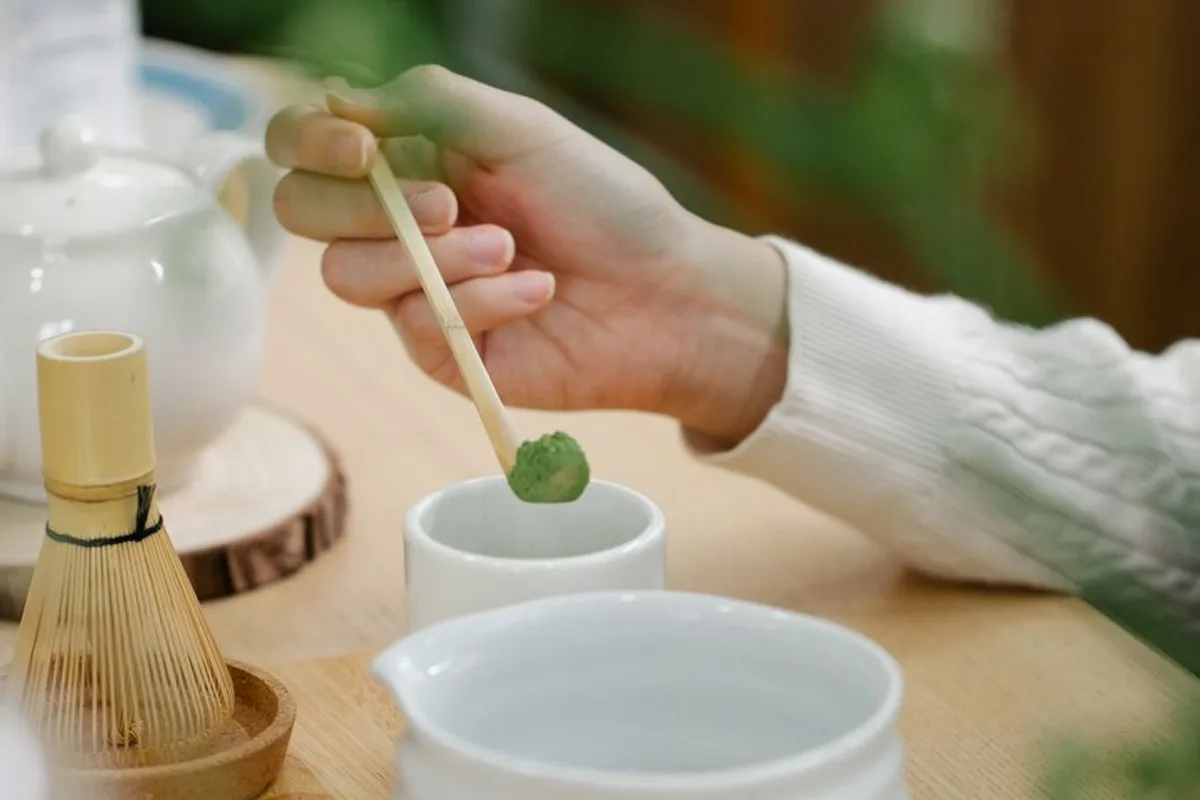
For a quiet counter and an English-speaking introduction to sake, Sake Bar Yoramu seats only a handful of people, better suited to a couple of drinks than a group night out. Gion Aoi, a short walk from Hanamikoji, is a calmer cocktail bar with an unusually deep whisky selection. For something more hands-on, a traditional tea ceremony experience near Gion runs 45–90 minutes and is widely offered in English; book ahead, especially for smaller tea houses.
How Long to Allow
A couple of hours covers Hanamikoji, Yasaka Shrine, and the Shirakawa canal at a walking pace. If an evening visit is possible, it's the better choice: dusk is both when the district is most atmospheric and when you're most likely to see geiko or maiko on their way to an appointment.
Practical Notes
- Carry cash: smaller shops and some teahouses don't take cards.
- Rubbish bins are scarce, as throughout Kyoto; carry out what you bring in.
- Gion is a residential and working district, not a backdrop. Keep voices down on the quieter side streets, and remember that the teahouses you're walking past are private businesses, not open attractions.
Build Your Itinerary
Build a day-by-day Kyoto itinerary filtered by pace, focus and neighbourhood, covering landmarks, museums, food and nightlife.