Neighbourhoods · 3 min read
Kitayama, Kyoto: Kinkaku-ji, Ryoan-ji, and Ninna-ji on Foot
How to walk the Kitayama temple circuit: Kinkaku-ji, Ryoan-ji's rock garden, and Ninna-ji, plus getting there without a subway.
By Todokyoto · Updated October 28, 2026
Kitayama is Kyoto's quieter, leafier northwest, built around a cluster of Zen temples close enough to connect on foot: Kinkaku-ji, Ryoan-ji, and Ninna-ji. All three sit along the Kinukake-no-Michi ("silk-veil path"), and the crowds thin out noticeably once you're a few streets off Kinkaku-ji's own main approach.
Getting There
No subway line reaches Kitayama. Bus 205 is the standard route from central Kyoto and Kyoto Station, alighting at the Kinkakuji-michi stop for a short walk to the entrance; the flat city-bus fare applies. The terrain through this district is flat enough that cycling is a practical alternative: rental bikes are common in central Kyoto, though usually picked up downtown or near Kyoto Station rather than right at Kinkaku-ji itself. If you cycle, only park in a designated lot; street parking is illegal and enforcement has tightened. See Getting Around Kyoto for fares and passes.
Kinkaku-ji
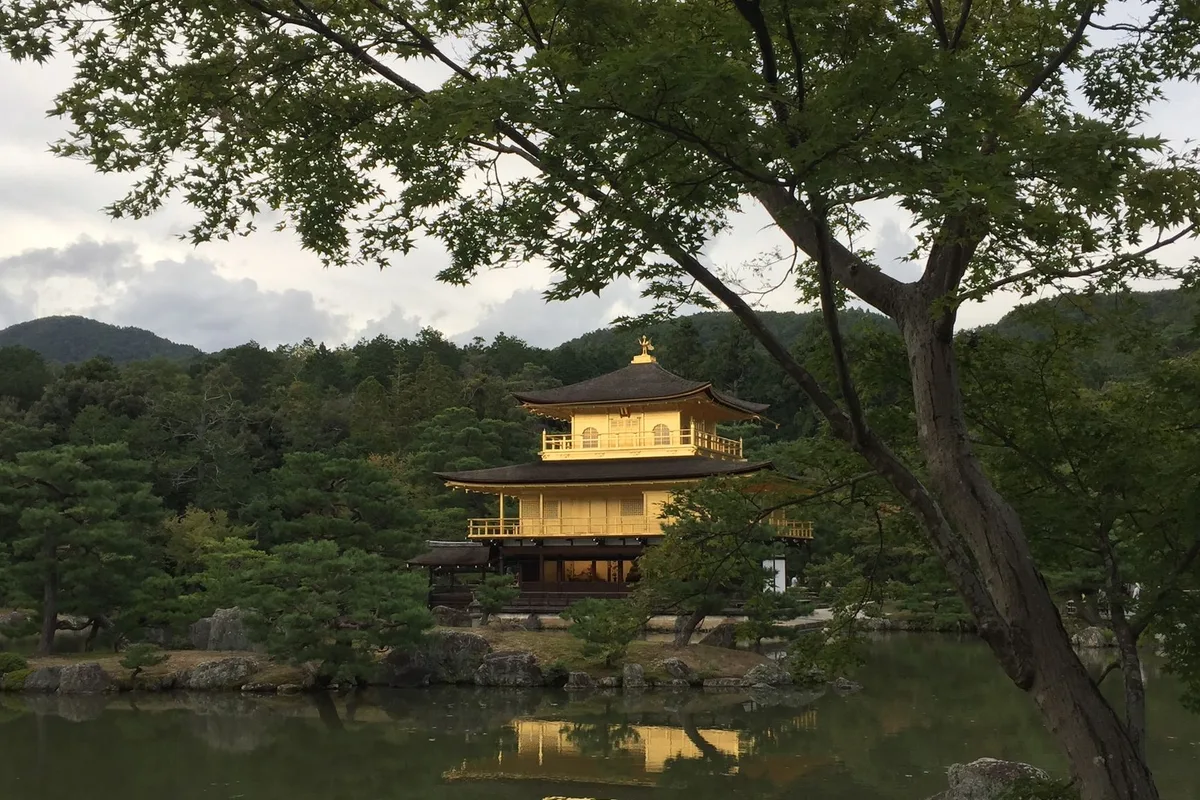
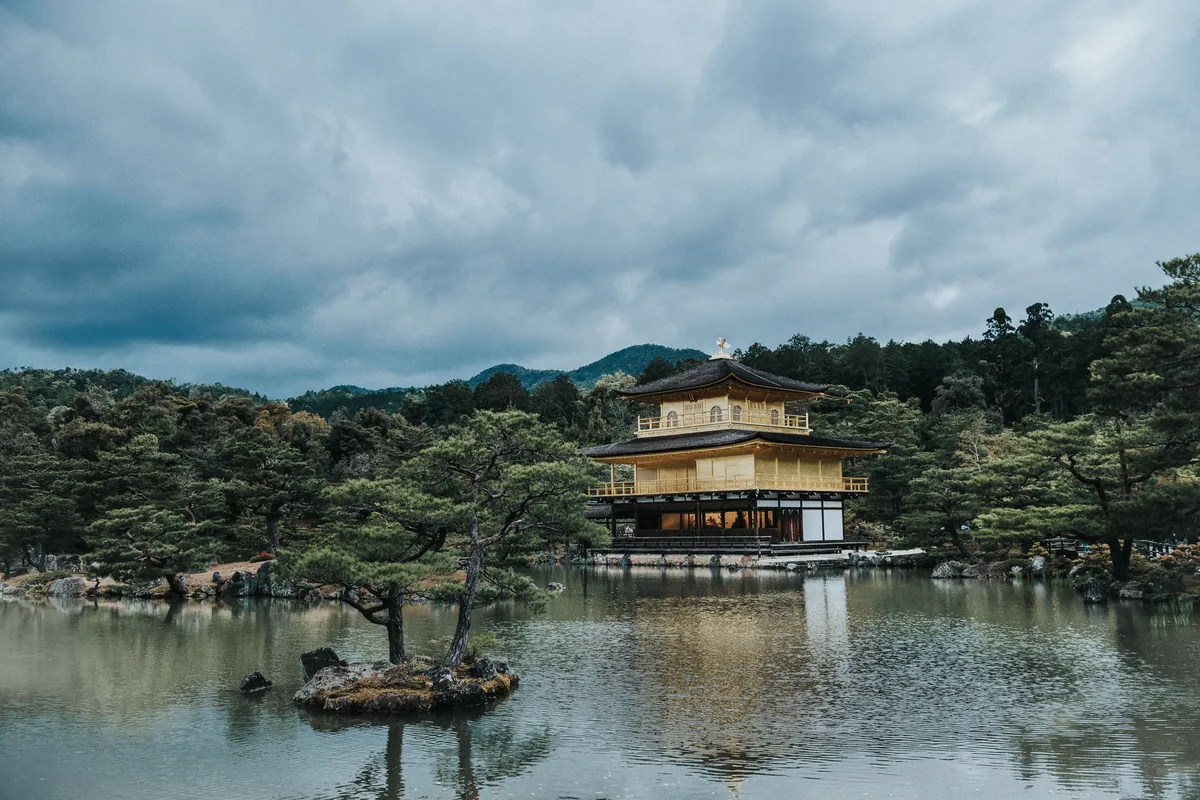
Kinkaku-ji, the Golden Pavilion, has its top two floors covered in real gold leaf, mirrored in the pond in front of it. The current building dates to 1955, a faithful rebuild after a 1950 arson fire destroyed the 14th-century original. It's open every day of the year, 9am to 5pm, with no closures for weather or holidays, and admission runs around ¥500, cash only since there's no card payment and no nearby ATM. Viewing is from a fixed path around the pond; going inside isn't permitted. It's rarely uncrowded, so an early morning visit gives the best chance of a clear view.
Ryoan-ji
Ryoan-ji's rock garden, a rectangle of raked gravel with fifteen stones arranged in small groups, is one of the best-known examples of karesansui (dry landscape) design in Japan. By the garden's traditional design, only fourteen of the fifteen stones are visible at once from the viewing veranda, whichever angle you look from; a complete view is said to come only with enlightenment. Hours generally run around 8am to 5pm from March to November and a bit shorter in winter, with no closed days. Admission figures reported for the temple currently vary by source, somewhere around ¥500 to ¥600, so treat the exact number as approximate until you're at the gate.
Ninna-ji: Worth the Extra Stop
About 10 to 12 minutes further on foot from Ryoan-ji, Ninna-ji is a UNESCO-listed temple founded in the 9th century, known for its low-growing Omuro cherry trees, among the last in the city to bloom each spring. Hours run roughly 9am to 5pm, with last admission around 4:30pm (slightly earlier in winter). The temple grounds and garden are generally free to enter; a separate fee applies for the Goten palace building, with reported figures varying enough between sources that it's worth confirming at the gate rather than budgeting to a specific amount.
Walking the Kinukake-no-Michi
The path linking all three temples is flat and walkable: roughly 15 to 20 minutes between Kinkaku-ji and Ryoan-ji, and another 10 to 12 minutes on to Ninna-ji. A short bus connection is also reported between the first two stops if you'd rather not walk, though confirm the current route number locally rather than assuming one. Doing all three in sequence, on foot, is a realistic way to spend a morning or afternoon without backtracking.
How Long to Allow
Kinkaku-ji alone takes 30 to 45 minutes at an unhurried pace, since viewing is from the outside only. Ryoan-ji's garden rewards sitting for a while rather than a quick look. Budget half a day for all three temples together, including the walk between them, and expect the heaviest crowds in spring cherry-blossom and autumn foliage weeks.
Practical Notes
- Carry cash: Kinkaku-ji accepts no cards and there's no ATM nearby.
- Rubbish bins are scarce, as throughout Kyoto. Carry out what you bring in.
- Photography is generally fine outdoors at all three temples; follow posted signage for any restricted areas.
Build Your Itinerary
Build a day-by-day Kyoto itinerary filtered by pace, focus and neighbourhood, covering landmarks, museums, food and nightlife.