Neighbourhoods · 4 min read
Downtown Kyoto: Nijo Castle, the Palace, and Nishiki Market
How to use Downtown Kyoto: Nijo Castle and the Imperial Palace, Nishiki Market, the covered arcades, and which subway stop goes with which stop.
By Todokyoto · Updated October 28, 2026
Downtown Kyoto is the Kawaramachi-Karasuma grid at the city's commercial centre: covered shopping arcades, a 400-year-old food market, two major historic sites, and the best transit access anywhere in Kyoto. It has less to photograph than the temple districts, but it's also where nearly every visit starts, ends, or passes through, so knowing which station serves which landmark saves real time.
Getting Around
Two subway lines cross downtown: the Karasuma Line (north-south) and the Tozai Line (east-west), meeting at Karasuma-Oike Station, the only interchange between them. From there, each of this district's main sights needs its own stop rather than one central station covering everything. See Getting Around Kyoto for fares and passes.
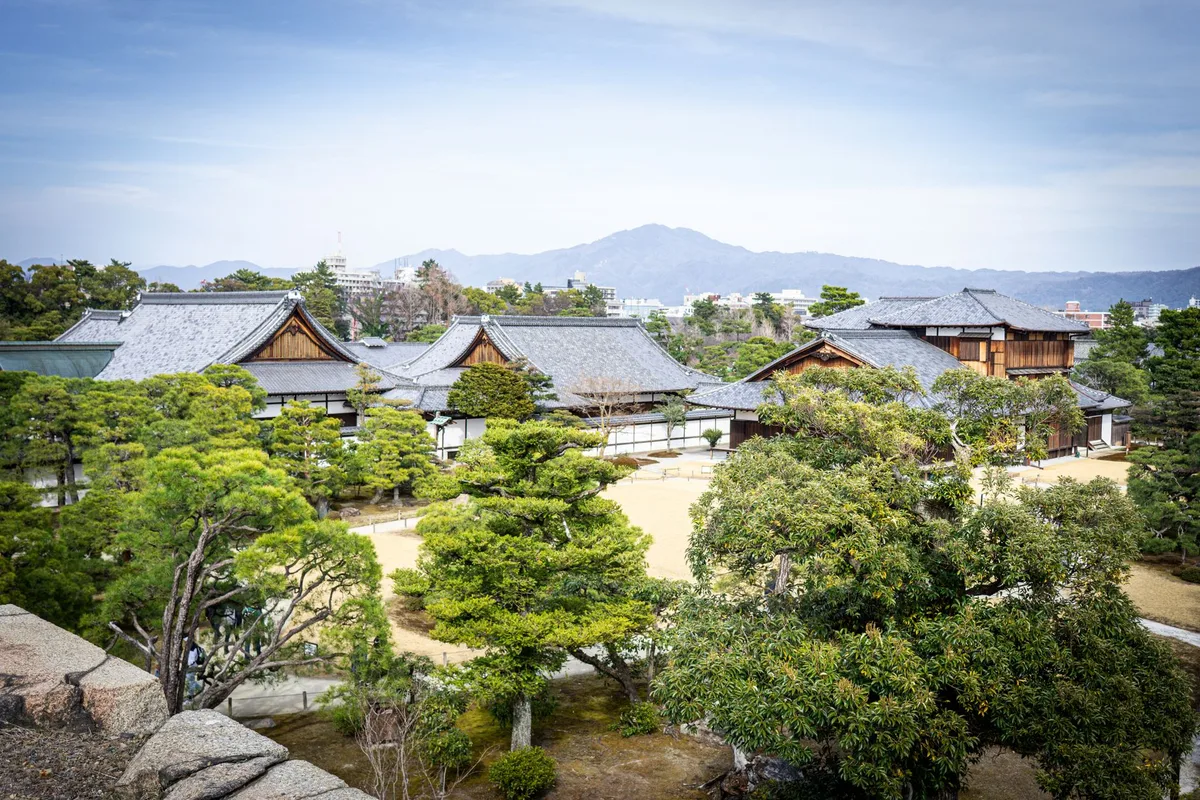
Nijo Castle
Nijo Castle is a UNESCO-listed shogunal palace known for "nightingale floors" in the Ninomaru Palace that chirp underfoot as a built-in early-warning system. Grounds and palace are open 8:45am to 5pm, last admission 4pm; the castle closes on some Tuesdays in January, July, August, and December, plus December 26 to January 4, so check the date if your visit falls near one of those. A combined ticket runs around ¥1,000, and photography isn't allowed inside the palace itself. Nijojo-mae Station on the Tozai Line is the closest subway stop, about a 5 to 10 minute walk to the entrance.
Kyoto Imperial Palace
The Kyoto Imperial Palace, inside the walled Kyoto Gyoen park, was the Imperial family's residence until the 1868 move to Tokyo. Walk-in access is free, with no advance registration needed; hours are seasonal, roughly 9am to 5pm in the warmer months and shorter in winter, and the palace closes Mondays. Two different subway stations serve two different sides of the park: Imadegawa Station on the Karasuma Line is the one for the palace's own visitor entrance, while Marutamachi Station, also on the Karasuma Line, serves the southern end of the Gyoen grounds instead. They're not interchangeable for this purpose, so check which side you actually want before picking a stop.
Nishiki Market: Kyoto's Kitchen
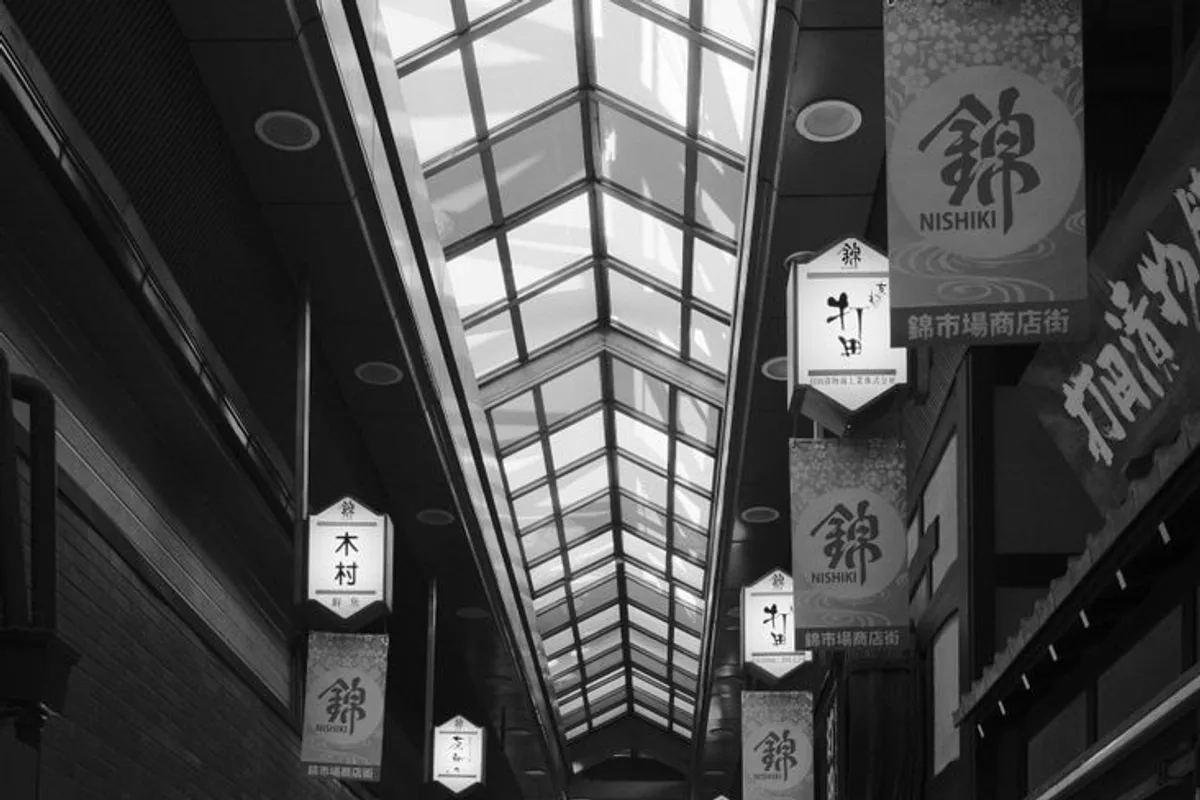
Nishiki Market is a covered, five-block market street about 400 years old, lined with roughly a hundred stalls selling Kyoto vegetables, fresh-water fish, yuba, pickles, and skewered street food. It's free to walk, and you only pay for what you eat; eating while walking is discouraged or banned at most stalls, so eat where you buy. Go before 11am or after 5pm to avoid the worst of the crowds, since many stalls close by early evening and some shut entirely on Wednesdays or Sundays. Shijo Station on the Karasuma Line is the stop, about a 5 minute walk east along Shijo-dori. It's worth knowing that Shijo Station's underground passage connects to Hankyu Karasuma Station, not directly to Hankyu's Kyoto-Kawaramachi Station one stop further; reaching Kyoto-Kawaramachi from the subway means an extra connecting passage, not a single underground walk.
Teramachi and Shinkyogoku: The Covered Arcades
Two parallel covered, pedestrian-only shopping streets run near Nishiki Market. Shinkyogoku is the more precisely documented of the two, running about 500 metres between Sanjo-dori and Shijo-dori. Teramachi, meaning "temple town," takes its name from temples relocated to the area under Toyotomi Hideyoshi; the shopping arcade itself is generally understood to be a later addition, with its retail character developing into the Meiji era rather than the arcade being as old as the name suggests. Both are free to walk at any hour, with shop hours varying by business.
Pop Culture and Trains
Two very different museums sit in this district. The Kyoto International Manga Museum, a former elementary school holding around 300,000 manga volumes including a 200-metre wall visitors can pull books from and read on the spot, is open 10am to 5pm, closed Wednesdays (with the usual holiday exception), admission roughly ¥900 to ¥1,200 depending on age. The Kyoto Railway Museum, covering a separate stretch near Kyoto Station, keeps similar hours and costs around ¥1,500 for adults; its nearest stop is Umekoji-Kyotonishi Station on the JR Sagano Line, about 2 to 3 minutes' walk, though only local trains stop there since rapid services skip it. There's no shuttle bus; city bus routes 205, 208, 104, 110, 86, or 88 also reach it, or it's roughly a 20 minute walk from Kyoto Station.
Eating
Inside Kyoto Station itself, Kyoto Ramen Koji gathers a rotating line-up of ramen shops from across Japan on one food-court floor, ticket-machine ordering, no reservations, bowls typically ¥800 to ¥1,200. For more on Kyoto's food scene beyond downtown, see the Kyoto food guide.
How Long to Allow
Nijo Castle and the Imperial Palace each take an hour or two on their own. Nishiki Market and the arcades fit comfortably into an afternoon together, especially combined with a meal. This district works well split across a day rather than visited in one long block, since it's the base you'll likely pass through repeatedly anyway.
Practical Notes
- Carry cash for market stalls and smaller shops; not everything takes cards.
- Confirm Nijo Castle's closure dates before building a day around it; they shift month to month.
- Rubbish bins are scarce, as throughout Kyoto. Carry out what you bring in.
Build Your Itinerary
Build a day-by-day Kyoto itinerary filtered by pace, focus and neighbourhood, covering landmarks, museums, food and nightlife.